
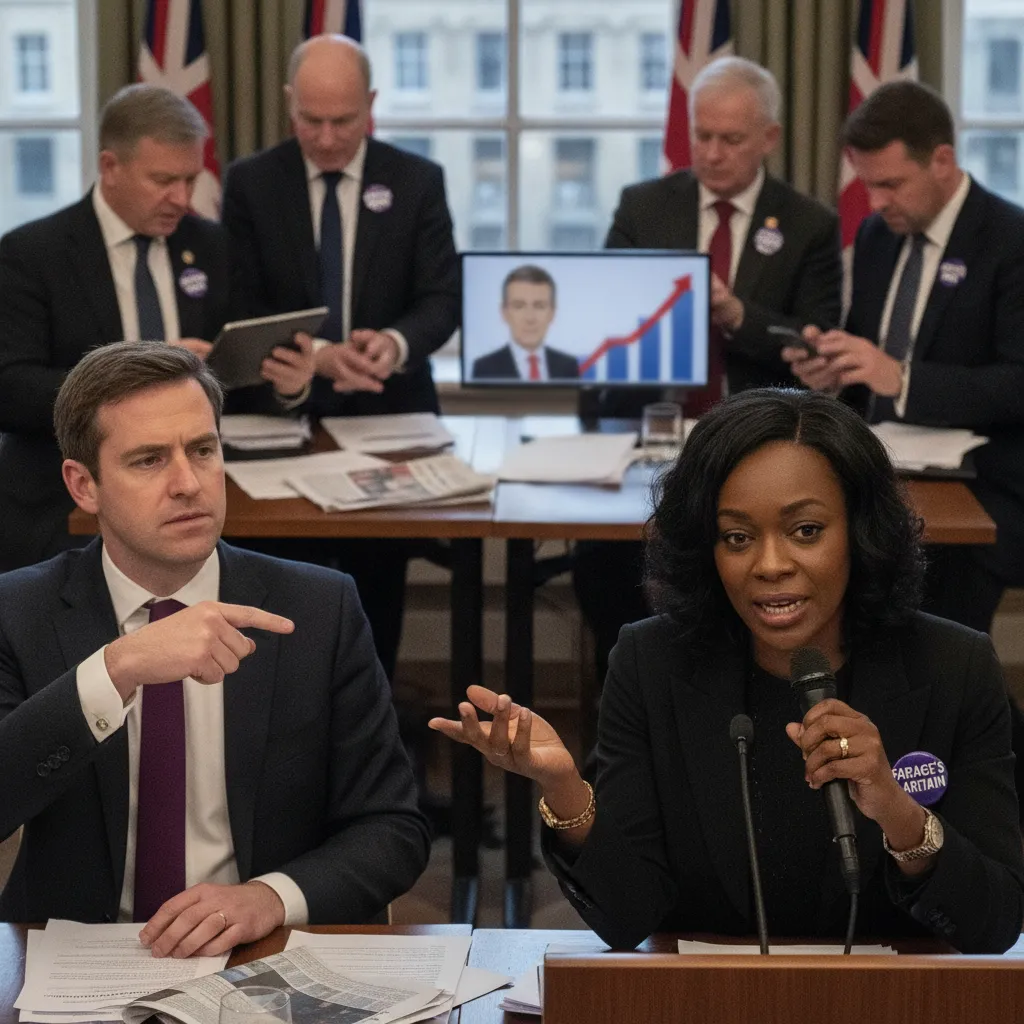
On the surface, the British right looks like a battlefield of egos and ideology. From Kemi Badenoch dismissing Reform UK as weird to Robert Jenrick painting his rivals as champions of the elite, the public spectacle is one of constant friction. Even smaller factions like Restore Britain engage in petty online spats with Nigel Farage’s camp over local council results. To the casual observer or the hopeful progressive, this chaos suggests a movement tearing itself apart, perhaps creating enough space for a centrist or left wing resurgence to take hold.
There is a comforting narrative currently circulating in political circles that a revived Conservative party acts as a necessary buffer against far right extremism. By polishing their image and appealing to affluent, socially liberal voters—the so called Waitrose Woman—the Tories appear to be distancing themselves from the raw nativism of their flank. Some insiders even suggest they have effectively outsourced their toxicity to Reform, allowing them to maintain a veneer of reasonableness while still occupying the center right of the political spectrum.
However, beneath this carefully curated branding lies a starkly different reality. When you strip away the personality clashes and examine actual policy positions on immigration, net zero, and cultural identity, the divide disappears. Between calls for mass deportations of legal residents and accusations that public prayer is an act of Islamist domination, the ideological gap between the Conservatives and their more radical cousins has virtually vanished. They are speaking the same language; they are simply using different volumes to reach different audiences.
Ultimately, this perceived civil war is less a conflict and more of a strategic division of labor. While Farage captures headlines and attracts donors, and fringe groups push the boundaries of acceptable discourse to shift the goalposts further right, Badenoch provides the institutional legitimacy needed to govern. Rather than being enemies locked in a blood feud, these factions operate as three heads of the same army, coordinating a pincer movement designed to reshape British politics under a unified banner of hardline conservatism.