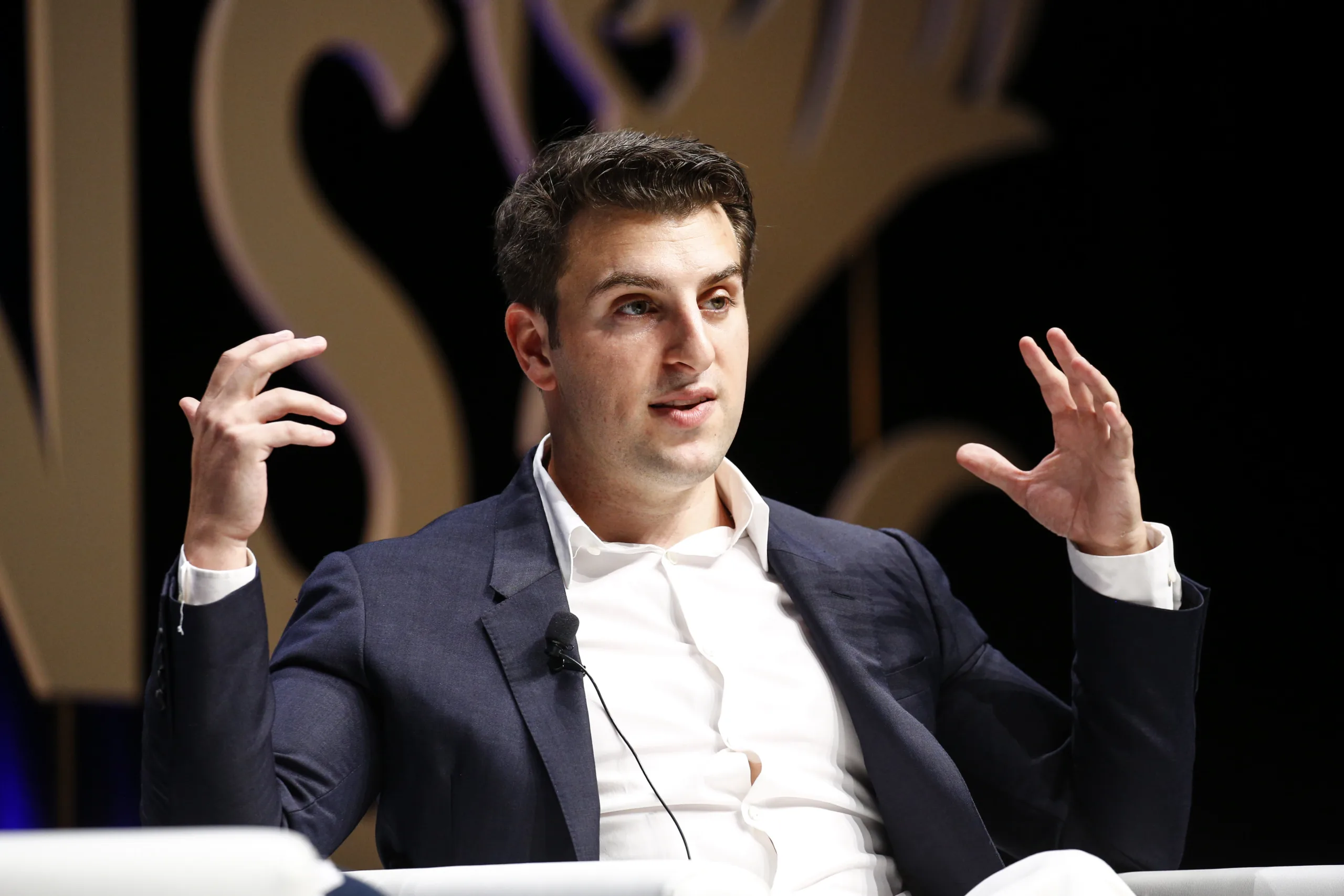
Airbnb CEO Brian Chesky said his X account was hacked and that a thread promoting real-world asset (RWA) tokenization, which circulated for days as apparent thought leadership, was written by an attacker and heavily AI-generated.
The now-deleted posts argued that tokenization could make buildings, bonds and funds easier to divide, trade and settle, and referenced Robinhood’s push into tokenized assets. Posted on July 14, the thread drew more than 700,000 views and was covered across crypto media as Chesky’s own commentary before he reclaimed the account on July 17 and disowned it.
“To the person who hacked my account earlier this week: thanks for all the new crypto followers,” Chesky wrote after regaining access. “To my new crypto followers: I’m going to be a very disappointing follow.”
To the person who hacked my account earlier this week: thanks for all the new crypto followers.
To my new crypto followers: I’m going to be a very disappointing follow. https://t.co/DtO2gtgHjQ
— Brian Chesky (@bchesky) July 16, 2026
Investor Takeaway
While the Airbnb posts were fake, the market’s willingness to believe them underscores expectations that major consumer brands will eventually explore tokenization.
A Hack Without The Usual Crypto Payload
What made the compromise convincing was what it lacked. The thread named no token sale, wallet address, giveaway or investment link, the signatures that usually expose a hijacked account within seconds. Instead it read as a measured, on-trend take on a subject real executives are actively debating, which is why much of the audience, and several outlets, took it at face value.
AI-detection firm Pangram flagged the text as machine-generated, pointing to a uniform syntactic pattern built to imitate Chesky’s cadence. The episode marks a shift from smash-and-grab token scams toward slower narrative manipulation, where a hijacked account launders an idea rather than drains a wallet.
Airbnb reported the incident to X, which secured the account. How the attacker gained access, and who was responsible, remains unclear.
Investor Takeaway
Credibility itself is becoming a target, with hackers increasingly seeking to shape narratives rather than execute immediate financial scams.
Part Of A Wider Wave Of Account Takeovers
The breach lands amid a run of high-profile X hacks aimed at crypto audiences. Days earlier, hijacked SpaceX and Starlink accounts pushed a memecoin called SCATMAN, with the attacker minting and dumping the supply for about $125,000 in a textbook rug pull. In December, Binance co-founder Yi He’s WeChat account was hacked and used to promote a fraudulent token, another senior figure’s platform turned against its own audience.
The pattern holds even when the targets differ. Attackers borrow the credibility of a verified, high-follower account to reach millions instantly, whether the aim is a token dump or, in Chesky’s case, an idea. In April, X said it would start auto-locking accounts posting about crypto for the first time, a direct response to this wave of hijack-driven scams.
For a tokenization narrative still fighting for mainstream trust, an AI-written endorsement from a CEO who never wrote it is an awkward kind of publicity. As Chesky’s own disavowal shows, the cheapest thing to fake in crypto is no longer a token but conviction.