In a Chapter 11 bankruptcy case, creditors have significant influence over the process. They can’t dictate what the court does, but their voices certainly carry a lot of weight.
If creditors think they will be better off with the company remaining a going concern, they may swap debt for equity, offer longer payment terms, or even forgive some debt. When the people and businesses owed money don’t think that continuing operations represent the best path forward, they may push for a breakup, a liquidation, or an auction of assets designed to maximize returns to vendors.
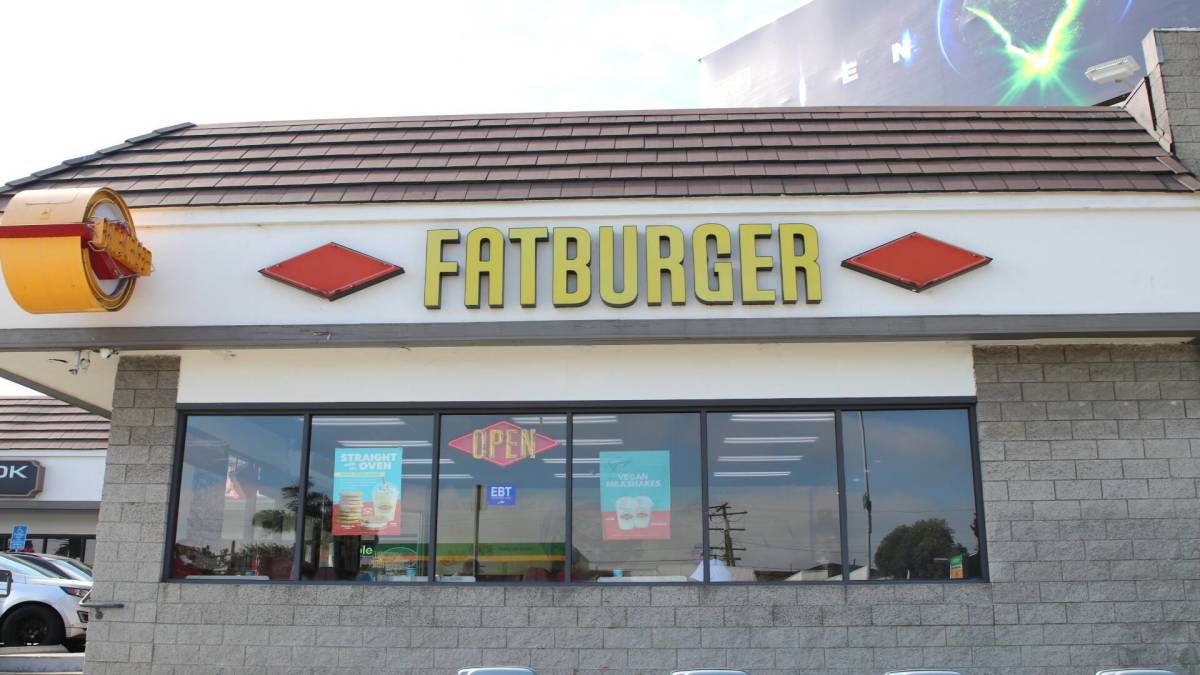
In the case of FAT Brands, which owns and operates 18 brands, including Fazoli’s and Round Table Pizza, Twin Peaks, Johnny Rockets, Fatburger, and Marble Slab Creamery, the company’s debtors have pushed the court to auction off the company’s assets, according to a new filing.
FAT Brands’ creditors want a sale
“One of the Debtors’ main goals for Mediation is to gain alignment on a path forward
for these Chapter 11 cases. At this time, the Debtors believe that potential going-concern asset sales may be value-maximizing and that the proposed Bidding Procedures are designed to maximize the value the Debtors may receive from any such sale(s),” according to the documents filed in the United States Bankruptcy Court for the Southern District of Texas.
The sale will be challenging for a number of reasons.
“FAT Brands has a somewhat atypical financing structure, which adds a bit of complexity, but from a big picture standpoint, it’s a typical bankruptcy because the bankruptcy will provide an opportunity for the company to get back on its financial footing,” Jerry Bregman, bankruptcy expert and attorney at BG Law, told Nation’s Restaurant News.
He believes that the brands have a future.
“There are a lot of shared costs that can be reduced, and there are efficiencies that can be gained from that collection of brands. It’s a positive cash-generating business, however, it’s overleveraged.”
In addition, issues remain as to how the sale will proceed, especially as it relates to embattled FAT Brands CEO Andrew Wiederhorn.
“Regardless of whether Mr. Andrew Wiederhorn participates in a bid to purchase the assets, Mr. Wiederhorn shall not receive any non-public information regarding any bids other than any Wiederhorn Bids,” the court documents state.
The court has established a timeline for the sale process, including an April 3 deadline for interested parties and stalking horse bids, an April 28 auction date, and a May 4 deadline for closing the transaction.
Shutterstock
FAT Brands Chapter 11 bankruptcy so far
- FAT Brands Inc. filed voluntary Chapter 11 bankruptcy petitions on January 26, 2026 in the U.S. Bankruptcy Court for the Southern District of Texas as part of a restructuring effort aimed at deleveraging its balance sheet and maximizing stakeholder value, according to FAT Brands investor relations
- The company owns a diversified portfolio of restaurant concepts, including Fatburger, Johnny Rockets, Round Table Pizza, Fazoli’s, and Smokey Bones, with more than 2,200 locations worldwide expected to remain open during the Chapter 11 process, the company shared.
- FAT Brands stated in its filing that the Chapter 11 process will allow it to strengthen its capital structure, support continued brand growth, and support franchise partners and employees while managing through the restructuring, according to documents filed on PacerMonitor.
- The company’s debt load became unsustainable due to aggressive expansion and acquisitions funded largely by debt, including securitized notes and non‑recourse borrowings that increased financial pressure, according to Restaurant Dive.
- In court filings, FAT Brands reported limited liquidity with approximately $2.1 million in unrestricted cash, creating challenges in funding operations without restructuring, added Restaurant Dive.
- A group of creditors, including 352 Capital, sued FAT Brands over its proposed use of securitization cash to fund operations during Chapter 11, contesting the company’s plan to use certain cash flows, according to Restaurant Dive.
- FAT Brands was delisted from the Nasdaq stock exchange following the bankruptcy filing, with its shares expected to trade on an over‑the‑counter market instead, according to Restaurant Business.
FAT Brands CEO fights for control
Wiederhorn has held onto control of FAT Brands despite a number of legal challenges, including investigations by the Justice Department and the Securities and Exchange Commission into alleged tax crimes and self-dealing.
Now, the financial institutions that kept him in control want him out of the company.
“Investors pumped some $1.4 billion in financing into FAT Brands despite his past run-ins with the law. But with his company now mired in Chapter 11, hedge funds, including Brigade Capital Management and Taconic Capital Advisors, want him gone during bankruptcy, saying in court papers that he siphoned at least $200 million of company money to enrich himself and his family,” according to The Wall Street Journal.
Wiederhorn has denied wrongdoing and said lenders were aware of his use of company funds when they invested in FAT Brands.
The government has dropped its case against Wiederhorn.
In the recent filing calling for the sale, the debt-holders made it clear that they want to break up the company to maximize its value.
“Accordingly, this Motion seeks approval of a process by which the Debtors can
market and sell all, substantially all, or any portion of their assets or brands. And for the reasons more fully set forth herein, the Debtors submit that the proposed Bidding Procedures, among other things, comply with applicable law, provide good and
sufficient notice to all parties in interest, and facilitate the Debtors’ ability to accept the highest (or otherwise best) offers for the Assets,” according to the filing.
Nothing in the court documents, however, precludes a bidder from buying the entire company.
Related: 159-year-old whiskey brand files disputed Chapter 11 bankruptcy
