Protein is having a moment.
The rise of people using GLP-1 drugs to lose weight, along with the overall changing consumer demands, has left restaurants scrambling to deliver protein-heavy menu options.
“Restaurant menu trends in 2026 are being shaped by two powerful forces: protein demand and rising interest in fiber-rich foods. For multi-unit restaurant brands, these shifts aren’t just about health positioning. They directly influence traffic, check size, and brand switching behavior,” according to a new study from Revenue Management Systems.
The March study, which included interviews with over 900 diners, showed the following:
- 62% of consumers actively seek high-protein options when dining out, with 38% willing to pay premium prices.
- Nearly half of diners would switch restaurant brands for better protein options.
It’s a trend that chains like Chipotle have leaned into by adding a protein-forward menu consisting of repackaging existing menu items. The Mexican chain has essentially added meat-only bowls to its menu, giving customers an easy way to meet their protein goals.
McDonald’s has made a similar move without actually changing its menu at all.
McDonald’s already offers a protein-heavy menu
McDonald’s CEO Christopher Kempczinski talked about protein and the impact of GLP-1 drugs during McDonald’s fourth-quarter earnings call.
“We know that in general, they eat fewer calories in the day, but also what they eat, the mix of that changes. Fortunately, for us, protein is one of the areas that this consumer, the GLP-1 consumer, is still very much interested in, and we’ve got a great protein offering on our menu. So I think that’s an area of strength for us,” he shared.
He explained that McDonald’s has been testing how to capitalize on changing customer demand due to more people taking GLP-1 drugs.
“We’re testing a ton of ideas. And I would say also in the restaurants that we’ve got, they’re different in each restaurant. It’s not the same thing in each restaurant,” he added.
More Restaurants
- McDonald’s latest menu missteps could have a major domino effect
- 76-year-old comfort food chain closes most of its restaurants
- Fast food giant is coming for Starbucks with fan-approved launch
He expects more people to go on the weight-loss drugs as more pill-based, rather than injectionable, options become available.
“We’re also seeing changes around maybe less snacking, changes in some of the beverages that they drink, less sugary drinks. And so all of those things are factoring into some of what we’re out there experimenting with and testing with,” he shared.
McDonald’s makes a menu change
Instead of adding new items to its menu, McDonald’s has decided to call out the protein-rich options it already offers.
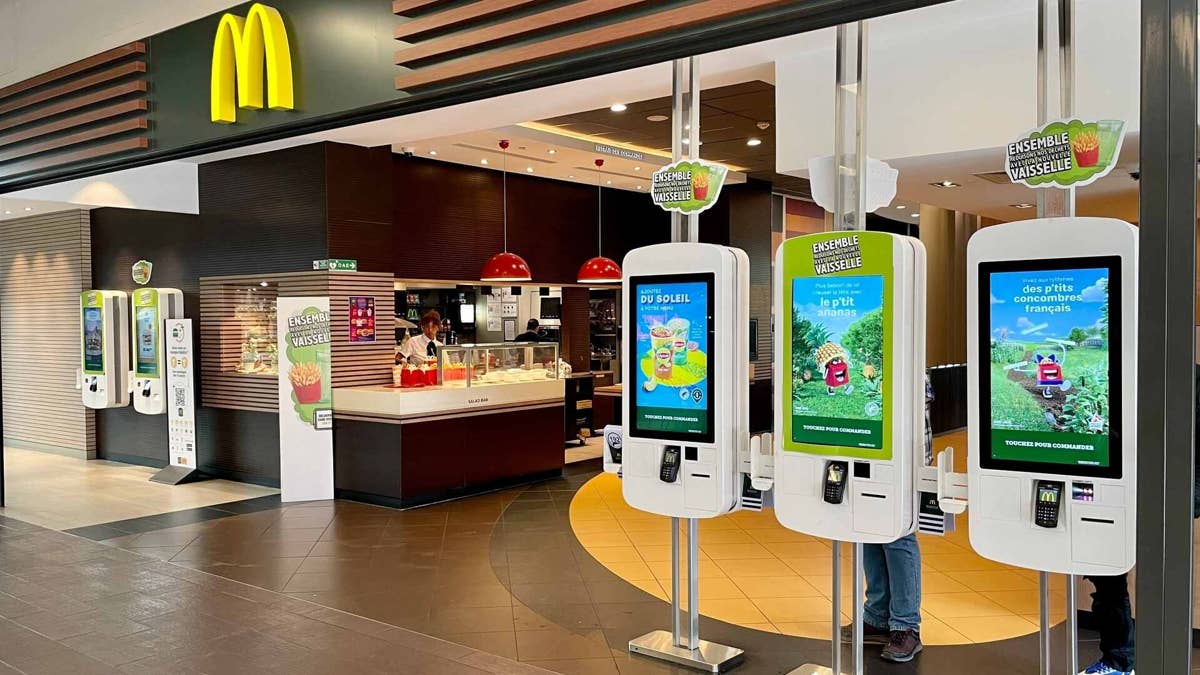
“To make it even easier for fans to find menu options that align with their protein goals, McDonald’s is introducing new protein callouts across kiosks and within the McDonald’s app. The callouts serve as visual ‘badges’ that make it quick and easy to spot protein options any time of day,” the company shared in a press release.
At most U.S. McDonald’s restaurants, the kiosks and apps serve as the principal ordering location for anyone not using the drive-thru. Many locations no longer have a person taking orders at the counter, so changing the app and kiosk puts these protein-heavy items in front of most customers.
“Starting April 21, the protein callouts will appear on 17 different McDonald’s menu items, spanning breakfast, lunch, and dinner favorites. From longtime classics like the Egg McMuffin (17g protein) to fan favorites like the 10-piece Chicken McNuggets (23g protein), the ‘badges’ are designed to make the ordering experience clearer and simpler for those looking for protein,” the company added.
McDonald’s noted that it has 30 menu items with 15g or more of protein.
Shutterstock
McDonald’s follows a trend
McDonald’s and Chipotle are not the only fast-food brands leaning into the protein trend. Starbucks, for example, has added a line of protein coffees to its menu.
“Starting Sept. 29, Starbucks coffeehouses in the U.S. and Canada will offer Protein Cold Foam alongside a new line of Protein Lattes made with Protein-boosted Milk delivering approximately 15 to 36 grams of protein per grande (16-ounce) beverage. These new protein beverages are part of the company’s strategy to drive innovation and modernize its menu,” the cafe chain shared in a press release.
As someone taking a GLP-1, I find Starbucks’ new drinks an easy way to increase my protein intake on days when I’m not hungry for traditional food. That’s something a lot of people taking these drugs need.
Doctors warn that weight loss from GLP-1 drugs can come at a cost, particularly when it comes to muscle mass.
“Protein is critical during weight loss because it helps preserve lean muscle mass, which also helps to protect bone density,” Dr. Pooja Gidwani told Parade.
Gidwani adds that if someone consumes too little protein while losing weight, they may lose a greater proportion of muscle.
“Over time, losing muscle can reduce resting metabolic rate, increase fatigue, and make weight maintenance more difficult,” she said.
Related: McDonald’s rival closes after 79 years
