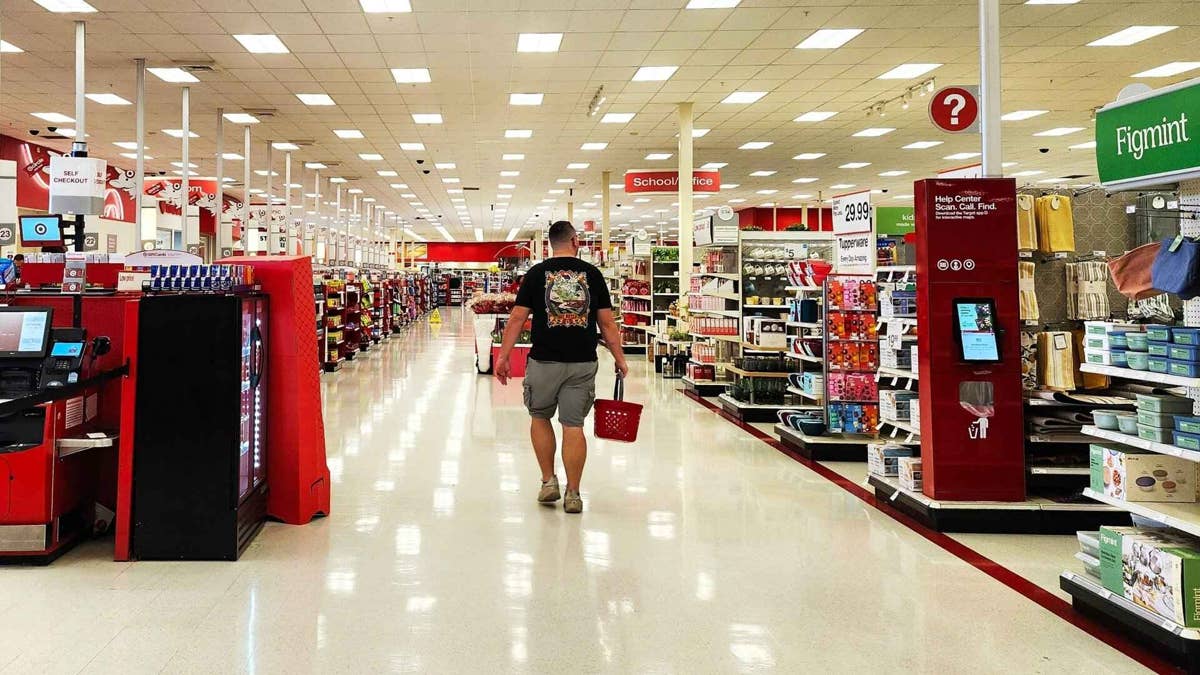
Target has spent years trying to position itself as a go-to “cheap chic” retailer — a place where consumers can grab everything from groceries to home décor in a single trip without feeling like they’ve sacrificed style or value.
But that reputation has floundered in recent years, and Target has struggled as a result.
Even though Target’s most recent quarterly earnings report had better results than Wall Street expected, comparable sales fell 2.5% and overall revenue plunged 1.5% year over year.
That’s not surprising in today’s retail environment.
Many Americans expect their finances to worsen in 2026, according to a recent YouGov survey. And among consumers expecting a downturn, 54% expect to spend less money on clothing and fashion items, while 38% expect to spend less on health and beauty items.
Even grocery spending is expected to wane. A good 33% of consumers who expect conditions to be worse this year intend to spend less on food.
All of this is apt to sting for a company like Target, which is why the big-box giant needs to go the extra mile to get customers in the door.
Target’s big trade-in program is a huge draw
If there’s one thing all parents can agree on, it’s that raising kids is expensive. This can especially hold true during the early years, when babies and toddlers need various gear, from strollers to changing tables.
One big expense parents of very young children face is having to buy car seats. But Target is trying to make that easier.
Related: Sam’s Club, BJs step up in area Costco dominates
Between April 19 and May 2, Target is running its bi-annual Car Seat Trade-In event. Guests who bring a car seat to a participating store can get a 20% Target Circle bonus to use on new gear.
“Families trust Target to be there for them during life’s biggest milestones,” said Amanda Nusz, senior vice president of merchandising, essentials, and beauty at Target.
“With Car Seat Trade-In, we’re making it easier for busy parents to get high-quality, thoughtfully designed products for their little ones while easily recycling what they no longer need and saving on what comes next.”
Shutterstock
Target still has work to do
Target is well aware that consumer needs are shifting and budgets are getting tighter by the day. By running its Car Seat Trade-In, it’s likely to get a lot more people in the door.
But a single event geared toward parents is not going to solve all of Target’s problems.
In recent years, the company has been criticized for its disorganized inventory and disgruntled employees. Rolling back DEI policies didn’t help the company’s reputation, either.
“They need more cashiers, and they need more people in the aisle, especially in areas that are both high-value sales and high-theft targets,” Brad Jashinsky, director analyst at Gartner, told CX Dive earlier this year.
However, Jashinsky also said he’s “really excited about Target’s direction,” which includes adding more labor hours and improving the customer service experience.
More Retail:
- Costco sees major shift in member behavior
- Retail chain shuts all locations as legal changes hit industry
- Costco makes major investment in online shopping for members
- T-Mobile launches free offer for customers after major loss
Adding labor hours could help Target address some of its major in-store challenges, like empty shelves and messy aisles.
Long lines at checkout are another issue that’s plagued Target. But adding labor hours could help fix it. And that change, coupled with targeted incentive programs like the Car Seat Trade-In event, could be the ticket to slowly but surely winning customers back.
Maurie Backman owns shares of Target.
Related: Walmart makes key move to target a new type of customer
