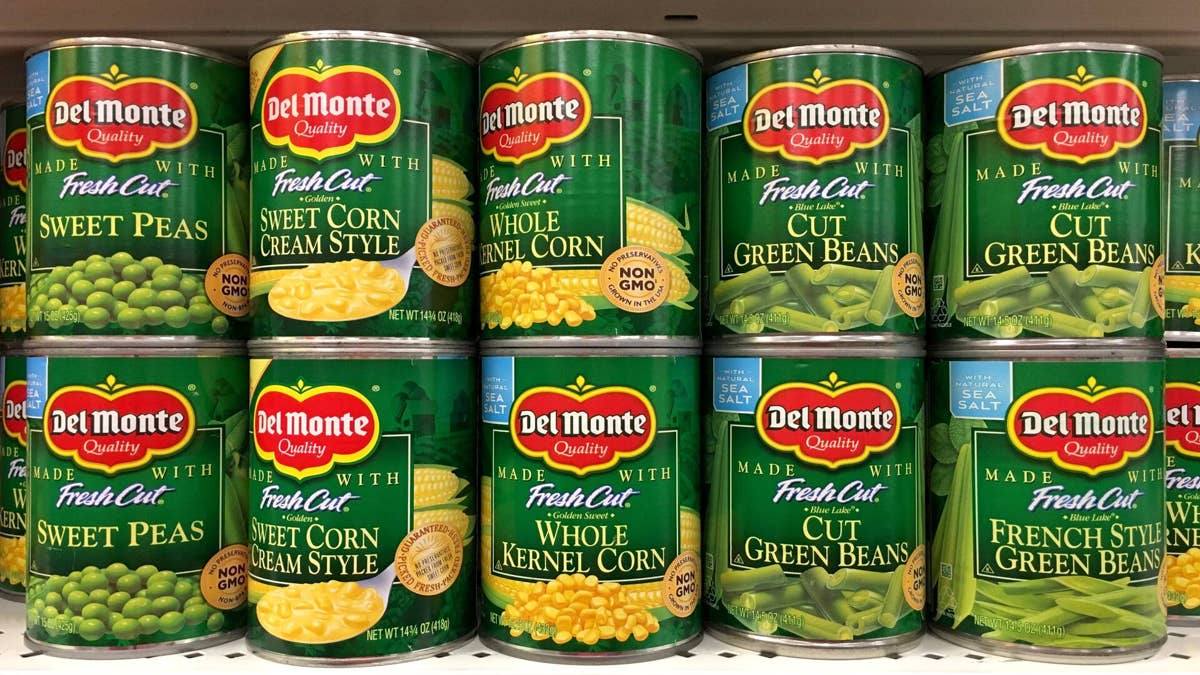
The financial restructuring of a major American packaged food brand is leading to hundreds of job losses in California.
When a company files for Chapter 11 bankruptcy, the first step is to initiate court proceedings to address unmanageable debt. It results in reorganization, and if the company can find buyer(s) willing to acquire its businesses, the outcome can be optimistic.
But when no buyer is found, plant closures and consequent job losses could be next.
In 2025, total bankruptcies in the United States rose 11%, driven by increases in both business and non-business filings, with 24,737 business bankruptcies filed, according to data from the U.S courts.
Del Monte Food Corporation, which entered Chapter 11 bankruptcy in 2025 as part of a plan to sell its assets and strengthen its financial position, ultimately found buyers for most of its operations.
However, one of its major facilities, a food processing plant in Modesto, California, did not secure a backer. As a result, the facility is now permanently closed, according to USA Today.
On April 7, the company officially shut down its plant at 4000 Yosemite Boulevard, laying off 765 employees.
Historic Del Monte food brand faces restructuring
Del Monte has long been one of the most recognizable brands in American grocery stores, a staple for canned fruits, tomato products, and sauces.
Sold through major retailers including Walmart, Kroger, and Costco, as well as local and national grocery chains, Del Monte products have been part of most households for the past 140 years.
More Layoffs:
- Major grocery store supplier delivers harsh message to workers
- 4 signs your company is quietly planning layoffs
- Luxury retail giant cuts more than 1,200 jobs after bankruptcy filing
The company’s processing plants, including the Modesto cannery, have played a vital role in turning fresh agricultural produce into packaged foods distributed nationwide, serving as a major buyer for farmers in the area.
The closure of this cannery for packaged fruit products, therefore, may affect not only the 765 people left unemployed, but also the farmers tied to the supply chain.
Shutterstock
A fresh start for Del Monte
Despite the closure, the bankruptcy process did allow Del Monte to sell most of its assets.
In March 2026, with the US bankruptcy court approval in place, the company was able to finalize the sale of “substantially all of its assets and business operations as going-concern businesses.”
A majority of its vegetable, tomato, and refrigerated fruit business assets were sold to Fresh Del Monte Produce, a brand that split from the Del Monte family in 1989.
The deal, valued at $285 million, is a milestone because it brings the Del Monte brand back under a single owner after about four decades.
“Bringing these businesses together allows us to move forward with a unified strategy that strengthens the brand across fresh and packaged categories while creating new opportunities for growth, innovation and global reach,” said Fresh Del Monte CEO Mohammad Abu-Ghazaleh.
As part of the transaction, Fresh Del Monte will assume ownership and rights to the following.
- Del Monte and S&W packaged vegetable brands
- Del Monte and Contadina packaged tomato brands
- Del Monte packaged refrigerated fruit brand
Potential impact of Del Monte closure and changing food trends
The restructuring at Del Monte reflects broader changes in the food industry.
Food manufacturers are facing rising costs, supply chain disruptions, and shifting consumer demand toward fresh, unprocessed, or less-processed foods.
Consumers are increasingly adopting a healthier lifestyle, opting for farm-to-table options rather than canned goods. And this has put pressure on companies to restructure operations, consolidating manufacturing facilities or, in Del Monte’s case, selling the company to new owners.
PWC research noted that the largest growth area is health and nutrition, at $800 billion, and that it has the potential to “reshape ingredients and drive more sustainable, resource-efficient production.”
And while this opens up new avenues and opportunities for the agricultural industry, for now, a small part of the California farming community stands to see the ripple effects of a closed cannery.
Related: Dunkin’ could exit an entire market in 2026 after 14 years
