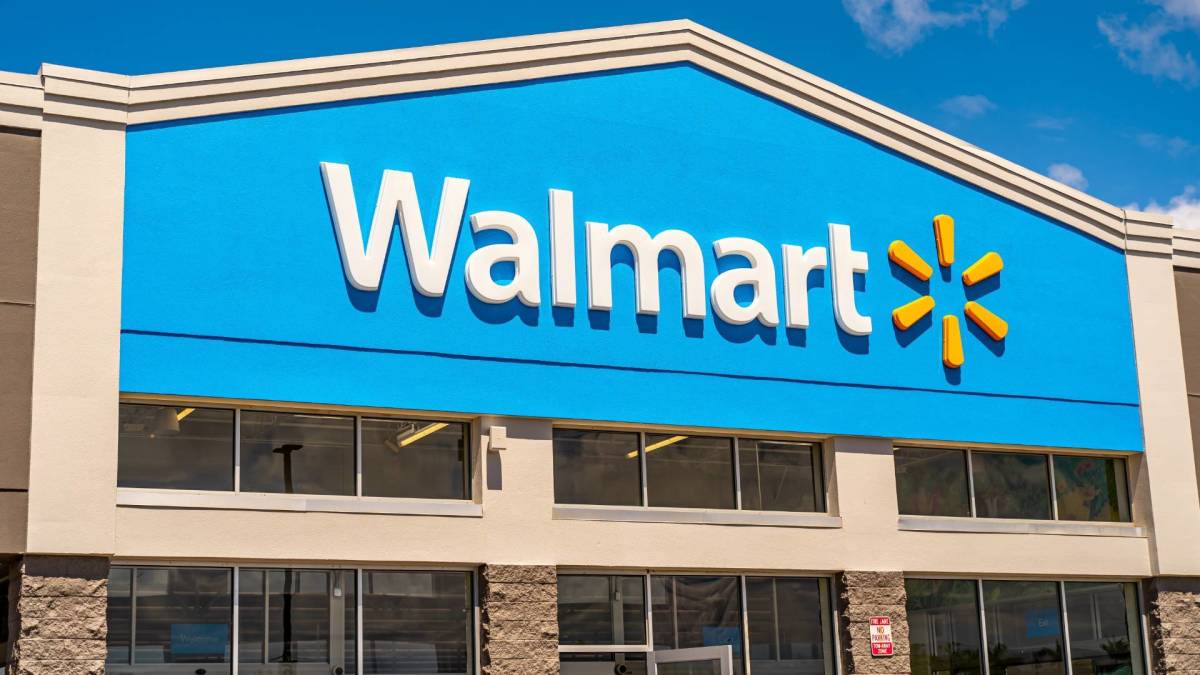
Walmart, the world’s largest retailer, continues its restructuring from 2025. According to a recent Worker Adjustment and Retraining Notification (WARN) filing in Illinois, the grocery and pharmacy retail giant plans to close one of its Illinois facilities.
As Walmart moves toward a digital-first future, focusing on leveraging agentic commerce to deliver value pricing for its customers, it’s also continuously restructuring for greater efficiency.
The move comes amid an ongoing controversy. The National Grocers Association (NGA), which represents more than 21,500 independent grocery retailers, wholesales and suppliers, is requesting that the Federal Trade Commission (FTC) and the Department of Justice (DOJ) address market manipulation “by dominant national grocery retail power buyers, especially Walmart.”
Walmart will close Illinois plant
Walmart has steadily delivered stable gains, which means technological expansion, restructuring, and efficient operations.
According to a WARN notice dated March 27, Walmart notified state officials in Illinois that it will shutter its ORD facility located at 21430 S. Cicero Ave. in Matteson.
More Layoffs:
- Major grocery store supplier delivers harsh message to workers
- 4 signs your company is quietly planning layoffs
- Luxury retail giant cuts more than 1,200 jobs after bankruptcy filing
The closure of this fulfillment center will result in 111 layoffs effective May 29, 2026.
This comes within a month of Walmart slashing 100 corporate jobs at its Hoboken, N.J., office, effective May 1, following a massive 2025 reshuffle that affected upwards of 400 employees at the same location.
But the Hoboken cutoff was more of a relocation, and employees were told to relocate to the company’s Arkansas home office or San Francisco. The move was more about workforce consolidation and streamlining operations.
In a similar move, Walmart does not intend to separate its Illinois workforce from the company and is offering affected associates a $7,500 transfer incentive to move to other open roles within its fulfillment network, including positions at Walmart Sam’s Club locations.
Additionally, those relocating more than 50 miles may qualify for relocation benefits. And if at the end of the 90-day transition period ending May 29, these associates are unable to find employment within the company, they will be terminated.
“Those interested will have the opportunity to transfer to nearby facilities or other Walmart locations nationwide. Associates who move to select facilities may be eligible for a $7,500 transfer bonus and relocation assistance, along with on-the-job training using advanced fulfillment technology,” said a company spokesperson.
Iv-olga/Shutterstock.com
Walmart’s NextGen shift signals new era
The closure of the ORD facility in Matteson is not a sign of scaling back, but of Walmart’s plans to consolidate and level up.
Walmart is explicitly relocating these operations to its NextGen facilities within its fulfillment network. These NextGen hubs are powered by state-of-the-art automation technology designed to increase delivery speed and efficiency and prioritize “associate comfort.”
And while these 111 workers may lose their jobs in Illinois, Walmart is preparing to open its fifth fulfillment center in Stockton, Calif., which is expected to create more than 1,000 new jobs by mid-2026.
Related: Discount retail giant closes facility, lays off more than 300 people
The company has already broken ground at the Stockton center, a 900,000-square-foot facility that will feature a 15-acre solar field to power its automation.
Walmart’s shift also mirrors a broader trend in the American labor market. According to the February 2026 Challenger, Gray, & Christmas report, although total U.S. layoffs plunged 55% in February compared to a volatile January, the retail sector remains a primary site of displacement, recording 6,448 job cuts year to date.
Closings were cited as the leading reason for job losses, suggesting that retailers are shuttering physical locations that no longer meet profitability or technological standards.
“Market manipulation by dominant retail power buyers”: Walmart’s alleged abuses
As Walmart optimizes, the NGA is pushing back. It has called on the FTC and DoJ to look into the Robinson-Patman Act (RPA), which prohibits discriminatory pricing and promotional treatment among competing purchasers.
“Buyer power abuses are no longer theoretical. They are showing up in higher prices, fewer competitors, and shrinking food access, especially in smaller and rural communities,” said Chris Jones, NGA chief government relations officer and counsel.
Jones added that these practices ultimately impact prices, a burden borne by consumers. This push stems from recently unsealed court filings from a previous FTC case in which “preferential pricing arrangements were used to protect Walmart’s price advantage while intentionally raising costs for competing grocers and their customers.”
The case was dismissed on procedural grounds.
Related: 87-year-old retail grocery giant lays off 100s in store closings
