Some restaurants earn their reputation over decades, building loyal followings across generations. Others, however, take a more unconventional path to prominence, leveraging pop culture, TV exposure, and digital-first audiences to accelerate their success.
That was the case for two high-profile Los Angeles venues. Once considered must-visit destinations for reality TV fans, both establishments rose to international recognition through their association with hit TV franchises.
Today, however, their story reflects the broader industry reality that in an uncertain economy and reduced consumer spending, visibility and brand recognition alone are no longer enough to sustain long-term success.
TomTom and Pump hit the market
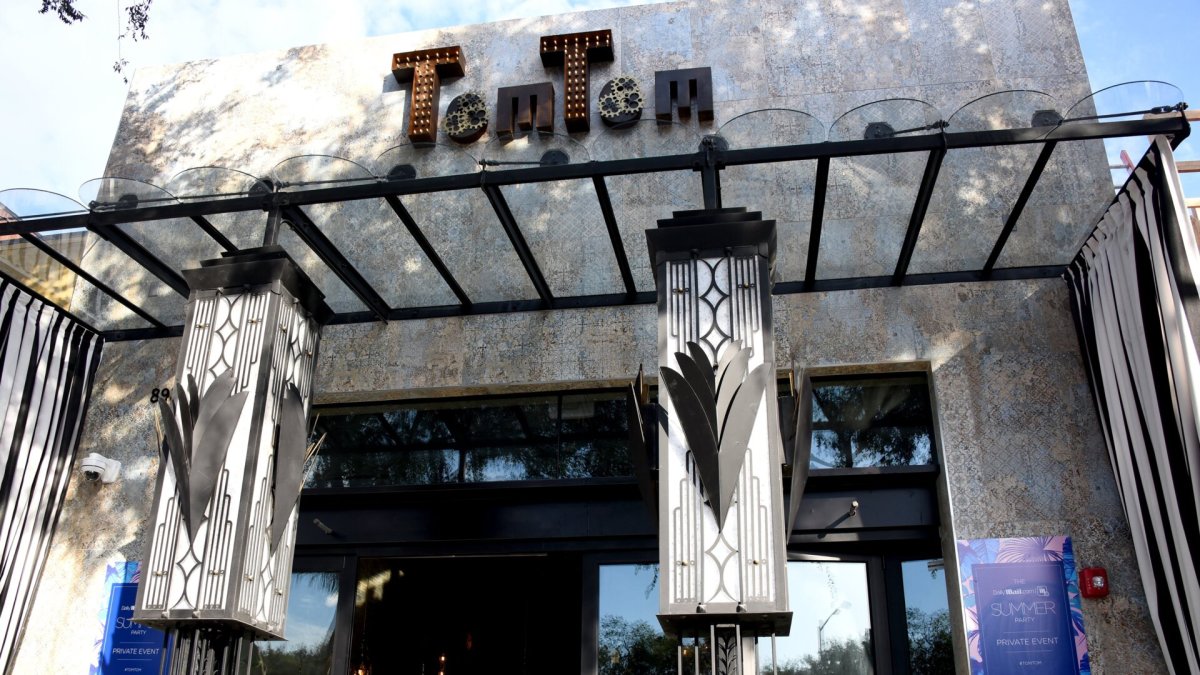
TomTom and Pump, located side-by-side on the Santa Monica Boulevard in West Hollywood’s Rainbow District, have officially been listed for sale.
The sale includes “substantially all operating assets, including intellectual property, social media platforms, FF&E, goodwill, and proprietary operational systems,” according to Urbanlime Real Estate and Zacuto Group, the commercial real estate agencies handling the sale.
Financial terms remain confidential, with access restricted under a nondisclosure agreement (NDA). It is also unclear whether the listing will result in a full acquisition or a restructuring of ownership.
Pump, which opened in 2014, closed its doors in July 2023, while TomTom, launched in 2018, continued to operate.
Both venues are part of the hospitality portfolio of restaurateurs and reality TV star couple Lisa Vanderpump and Ken Todd, known for their roles on “The Real Housewives of Beverly Hills” and “Vanderpump Rules.”
Their on-screen exposure transformed these restaurants into global fan destinations, attracting visitors eager to experience the TV hot spots.
With more than 14.6 million viewers across recent “Vanderpump Rules” seasons and a combined social media following of more than 700,000, the brand has built significant cultural and digital influence.
Araya Diaz/Getty Images
Strategic shift in the Vanderpump portfolio
The decision to sell TomTom and Pump follows a series of newer ventures. These include the opening of Wolf by Vanderpump in Scottsdale, Ariz., in December 2025 and continued expansion in Las Vegas, where The Vanderpump Hotel is in development and scheduled to open in May 2026.
The portfolio shift may signal a strategic pivot toward higher-performing brands or more scalable markets.
“Restaurant costs are up. Many restaurants close down. Four in the last week have closed down,” said Vanderpump in an episode of “Vanderpump Rules,” according to Bravo TV. “This is survival of the fittest.”
Restaurants struggle with industry-wide pressures
The challenges facing TomTom and Pump are far from isolated. Across the U.S., the restaurant industry is struggling with ongoing cost increases and shifting consumer behavior.
Prices for food away from home increased 4% in the 12 months ending January 2026, according to recent U.S. Bureau of Labor Statistics data.
Over the past five years, food and labor costs for the average restaurant have each risen by about 35%, according to the National Restaurant Association.
To offset those surges, menu prices climbed an average of 31% between February 2020 and April 2025, according to U.S. Bureau of Labor Statistics data.
However, higher prices have coincided with a slowdown in customer traffic. In a National Restaurant Association survey, 60% of restaurant operators reported lower traffic in December 2025, up from 51% in November.
James O’Reilly, a food industry executive with more than 15 years of experience in restaurant marketing, believes that pricing alone won’t fix restaurant traffic.
“In strong economic environments, price increases have historically been tolerated by restaurant guests,” O’Reilly told FSR Magazine.
“Over the past few years, that’s become far more difficult. While headline economic indicators have improved and financial markets have strengthened, many restaurant consumers, particularly in lower- and middle-income brackets, have not experienced the same relief.”
Los Angeles restaurants face unique headwinds
In Los Angeles, these national challenges are amplified by local factors.
According to a recent annual industry survey by the California Restaurant Association, nearly 85% restaurant operators in the city reported a decline in consumer traffic compared to the previous year.
Increased competition with reduced consumer spending has significantly tightened margins, leaving many businesses struggling to maintain profitability.
“You’ve got more restaurants and way less spending in restaurants, so the piece of the pie that everybody gets is much, much, much smaller,” said the California Restaurant Association’s Jot Condie to the Los Angeles Times. “With that in the background, it’s like every other issue that’s conspiring against restaurants in L.A. is more intense.”
Recent federal immigration raids have also become major contributors to Los Angeles’ restaurant downturn. Immigrants comprise 66% of workers in L.A. County, and 79% of them are Latino, according to the Los Angeles Food Policy Council Executive Director Alba Velasquez.
In neighborhoods where immigrant-run food businesses are prominent, recent ICE raids have caused revenue to drop by around of 85% at some businesses as vendors and customers stayed away in fear, according to Velasquez.
Restaurant success is redefined
The rise and now potential sale of TomTom and Pump show a broader shift in the restaurant industry. While media exposure and celebrity association can drive rapid growth, long-term sustainability increasingly depends on operational efficiency, cost management, and adaptability.
In today’s environment, even the most recognizable brands must evolve to remain relevant.
More Restaurant Business News:
- 31-year-old Italian restaurant chain closing its final locations
- 96-year-old grocery chain acquires 18 stores from rival
- Starbucks is closing more stores
- Wendy’s targets new customer group amid mass U.S. store closures
Timing may not be coincidental. “Vanderpump Rules” recently rebooted with a brand-new cast, drawing just 290,000 live viewers for its December 2025 premiere, according to Nielsen data. This is an 80% drop from Season 11 and the lowest-rated live episode in the show’s history.
The sharp decline in viewership suggests the cultural engine that once fueled destination traffic to these venues may be losing momentum.
Related: Popular fast food chain warns of more closures in 2026
