A very large brand often has trouble growing new concepts because the growth path to making a meaningful impact on the bottom line seems impossible.
McDonald’s, for example, once held a stake in Chipotle, before selling it in 2006.
“By 2005, McDonald’s decided to refocus on its core brand. The company’s leadership wanted to streamline operations and pour all its resources back into strengthening the McDonald’s identity. Owning other brands, including Chipotle, Boston Market, and Donatos Pizza, was seen as a distraction,” acccording to Flavor 365.
Exiting two of those three brands turned out to be good moves, but selling Chipotle, a decision confirmed in a 2006 McDonald’s press release, turned out to be a major strategic misstep.
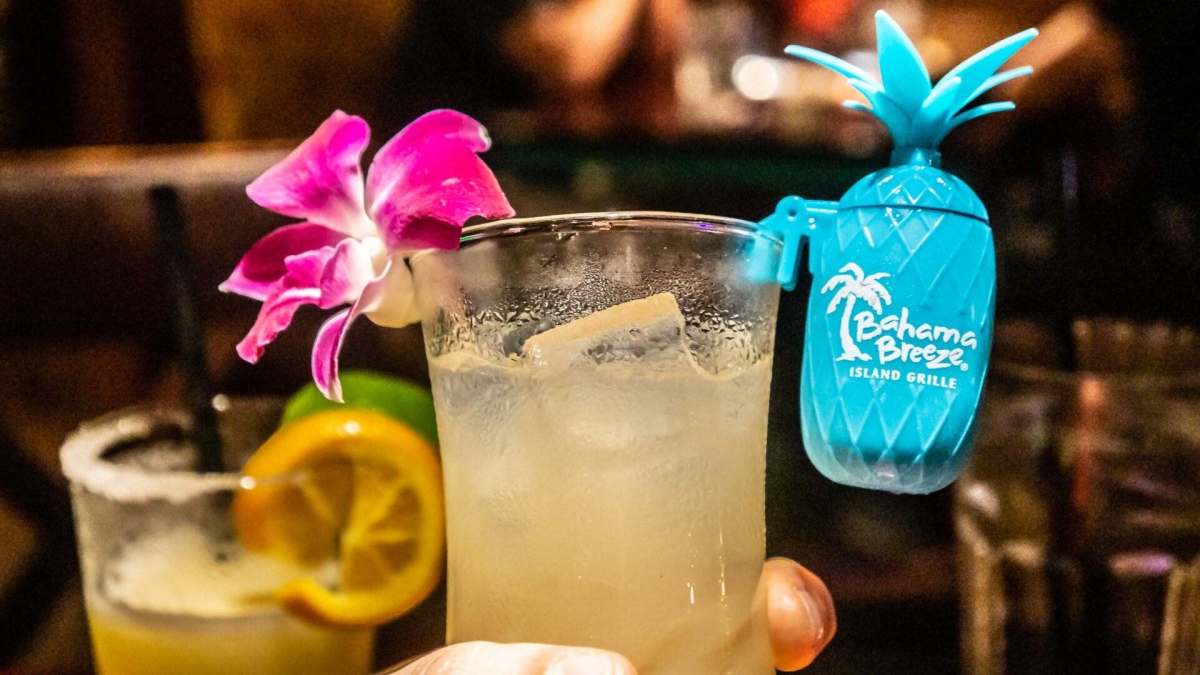
Large restaurant companies often struggle to scale smaller concepts in ways that meaningfully impact overall earnings. A similar dynamic is now playing out at Darden Restaurants, which has decided to close its Bahama Breeze brand, citing it as a smaller concept in the company’s portfolio, according to a Darden press release.
Bahama Breeze locations closing April 5
Earlier this year, Darden shared “the Bahama Breeze brand, and its 28 locations, were no longer a strategic priority and that it would consider strategic alternatives, including a potential sale of the brand or converting restaurants to other Darden brands,” the company shared in a press release.
Now, the restaurant operator that owns Olive Garden, with over 900 locations, and Longhorn Steakhouse, which has 591 restaurants, has decided to simply end the Bahama Breeze brand by closing 14 locations and converting the remaining 14 locations into another Darden brand.
“The company does not expect these actions to have a material impact on its financial results,” it shared.
Black Box Vice President of Insights and Knowledge Victor Fernandez sees operating chains with declining sales as a challenge.
“In an environment where cumulative inflation has driven costs up by nearly a third since 2019, it is virtually impossible for a unit to remain viable after losing 30% or more of its peak sales,” he said in a statement to Nation’s Restaraunt News.
Darden’s decision matches an ongoing trend among large restaurant operators.
“Closing Bahama Breeze and repurposing half of the sites looks like Darden doubling down on brands where it sees clearer returns on each restaurant, similar to how peers such as Brinker International and Bloomin’ Brands focus capital on their core banners like Chili’s and Outback,” Simply Wall St. reported.
The Bahama Breeze in Kissimmee, Fla., where I have occasionally eaten over the years, will be one of the last to close. On a recent visit, earlier this year, the restaurant was busy with about a 20-minute wait, which has been typical during my previous trips to that location.
Total Darden Restaurants locations
Darden has 2,159 company‑owned restaurants.
- Olive Garden: 935 locations
- LongHorn Steakhouse: 591 locations
- Cheddar’s Scratch Kitchen: 181 locations
- Chuy’s: 108 locations
- Yard House: 88 locations
- Ruth’s Chris Steak House: 82 locations
- The Capital Grille: 71 locations
- Seasons 52: 43 locations
- Eddie V’s: 29 locations
- The Capital Burger: 3 locations.
Source: Darden’s fourth-quarter earnings report
Shutterstock
Darden has delivered strong results
In a market where a number of restaurant chains havre struggled, Darden has done well. The company shared its second quarter results in a Dec.13 press release.
- Total sales increased 7.3% to $3.1 billion, driven by a blended same-restaurant sales increase of 4.3% and contributions from 30 net new restaurants.
- Same-restaurant sales:
Longhorn Steakhouse: 5.9%Olive Garden: 4.7%
Fine dining: 0.8%
Other business: 3.1%
- Reported diluted net earnings per share from continuing operations were $2.03.
Darden did not break out sales for Bahama Breeze in its earning report.
CEO Ricardo Cardenas shared during Darden’s Q2 earnings call what he calls the company’s four competitive advantages that enable its brands to “compete effectively and continue providing strong value to our guests.”
“The power of our scale enables us to continue to price below inflation over the long term and not pass all the costs on to our guests while the breadth of our portfolio enables our brands to stick to their strategy, even if they are overly impacted by a single commodity,” he said.
A consensus of stock analysts see Darden’s Q2 as a positive.
“Taking into account the latest results, the current consensus from Darden Restaurants’ 29 analysts is for revenues of $13.2 billion in 2026. This would reflect a credible 4.7% increase on its revenue over the past 12 months,” Simply Wall St. reported.
Darden’s EPS of $2.08 fell short of the forecasted $2.11, marking a 1.42% miss.
“Despite the EPS miss, Darden’s stock price rose in pre-market trading, climbing 4.73% to $198.50. This increase suggests investor confidence in the company’s revenue growth and strategic initiatives. The stock’s movement contrasts with its 52-week high of $228.27 and low of $169, indicating room for further appreciation,” Investing.com reported.
Related: 26-year-old sushi chain files for Chapter 11 bankruptcy
